


Why Winter Is the Best Time to Start a Backyard Project in DFW
Winter is the best time to start a backyard project in Dallas-Fort Worth because the region’s mild winters let crews pour concrete, set stone and grade on most days, contractors have open schedules before the March rush, fall and winter are the recommended planting season for Texas trees and shrubs, and a project that starts in November or December is finished before the first warm weekend of spring. Permits in cities such as Colleyville take about a week to review once the paperwork is complete, so a winter start also absorbs that lead time.
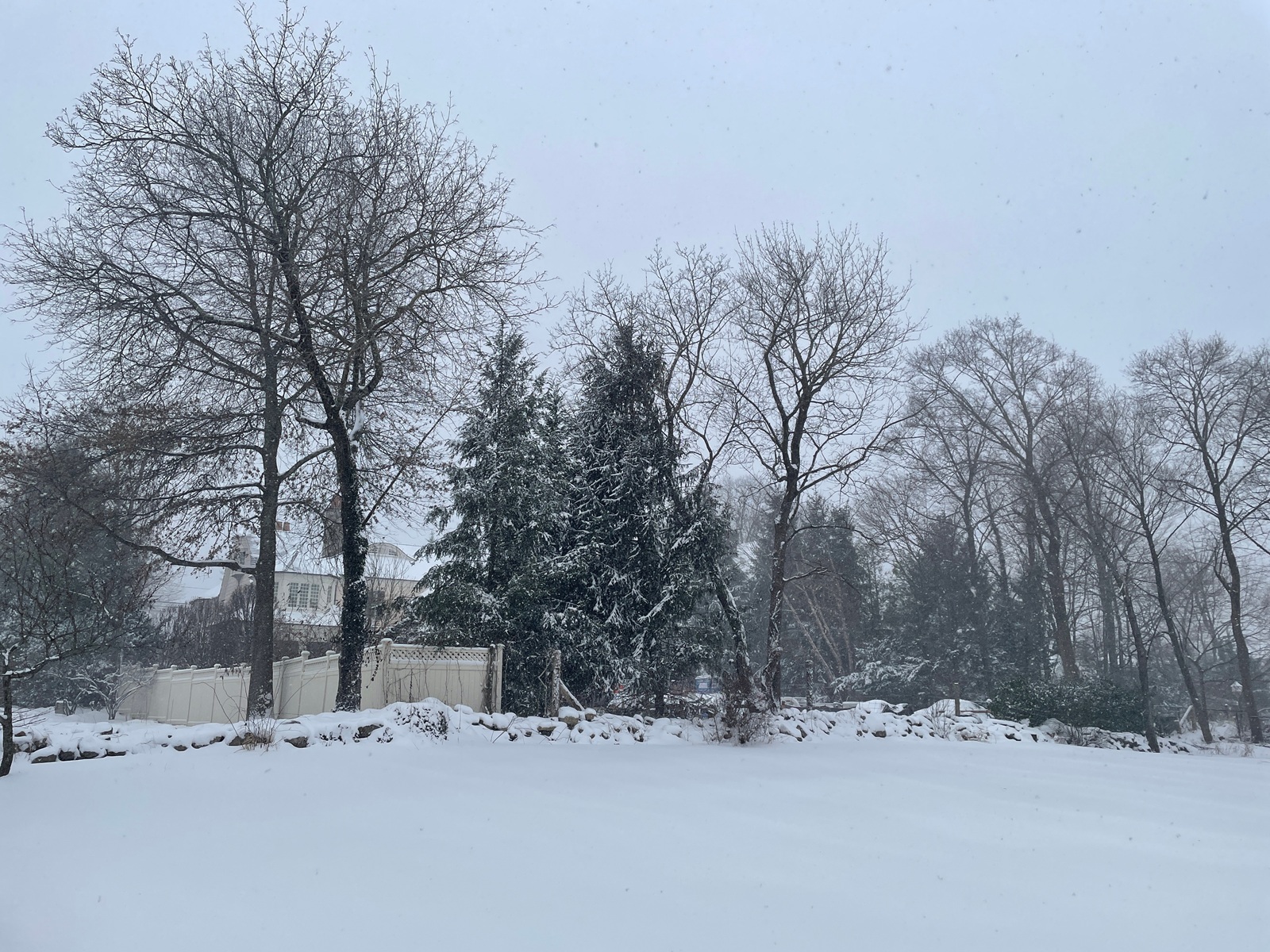
Most homeowners in Colleyville, Southlake and Keller picture a patio project as a spring job. By the time they call in March, the best crews in Northeast Tarrant County are booked into May, the spring storms have arrived, and the finished space is ready just as summer makes it too hot to enjoy.
At Buzzcutters Landscaping we build outdoor living spaces, patios, outdoor kitchens, retaining walls and full landscape installs year round from our Colleyville office, and the projects we start between November and January consistently go smoother than the ones that start in April. This post explains why, what the weather and soil in DFW actually do in winter, how the permit process works in Colleyville, and how to plan a winter build so the space is ready by March.
Is winter really a good time to build a patio in North Texas?
Yes. In Dallas-Fort Worth, winter is a working season, not a shutdown. The national advice to ‘plan in winter and build in spring’ comes from places where the ground freezes solid. That is not our situation. According to National Weather Service Fort Worth climate records, January, the coldest month, averages daytime highs in the mid 50s with overnight lows in the mid 30s, and the metroplex sees roughly 30 to 35 nights a year that dip below freezing. Most of those freezes clear by mid morning.
That means a hardscape crew can pour concrete, set pavers, lay stone veneer and run drainage on the large majority of winter days. The handful of hard-freeze days each year are scheduled around, the same way summer crews schedule around triple-digit afternoons. The difference is that winter has far fewer lost days than people assume, and it has none of the heat-related problems that slow summer work.
Winter is also the drier half of the year in DFW. The wettest months are typically April, May and June, which is exactly when a spring-start project is trying to excavate, form and pour. A build that starts in November runs through the driest stretch and is finished before the storm season begins.
Why do DFW contractors do their best work between November and January?
Four reasons: concrete cures better, clay soil is more stable, crews are available, and plantings go in at the right time. Each one is specific to our climate and soil.
Concrete and masonry prefer mild temperatures
Concrete cures best when the air stays between roughly 50 and 70 degrees. That is a typical DFW winter afternoon. In July, surface temperatures on a slab can exceed 120 degrees, which pulls water out of the mix too fast, raises the risk of plastic shrinkage cracks and forces crews to pour at dawn. Mortar and stone veneer behave the same way. The patios, outdoor kitchens and fire features we build in winter show fewer surface cracks and better finish quality because the material has time to cure properly.
North Texas clay is easier to work when it is not swelling and shrinking
Most of Colleyville, Southlake and Grapevine sits on expansive clay. In summer it dries, shrinks and cracks open; after a spring downpour it swells. Those cycles are what crack driveways and tilt retaining walls. In winter the soil moisture is steadier, so footings for pergolas, outdoor kitchens and walls are dug and poured into ground that is close to its resting state. Land leveling and grading hold their shape better for the same reason.
The spring rush has not started yet
From March through June, landscape construction companies across Northeast Tarrant County are at capacity. Start dates slide, material lead times stretch and crews move between jobs. In November and December the same companies have open calendars. A winter client gets a committed start date, a crew that stays on the job until it is finished, and more design attention from the people planning the project.
Fall and winter are planting season in Texas
Texas A&M AgriLife Extension recommends planting trees and shrubs in Texas during the cooler months so roots establish before summer heat. A winter build ends with the planting phase landing in exactly that window. Warm-season lawns such as Bermuda and St. Augustine are dormant in winter, so construction traffic does far less visible damage, and sod laid in late winter greens up with the rest of the lawn in spring.
What permits does a backyard project need in Colleyville?
Most outdoor living projects in Colleyville need a city permit, and the review takes about seven days once the paperwork is complete. According to City of Colleyville Building Inspections handouts, the requirements fall into a few groups:
- Uncovered patios, walkways and other flatwork require a flatwork permit before installation because they add impervious surface and change how rainwater sheds across the lot.
- Covered patios, pergolas and pavilions require a building permit with plans showing setbacks, footings and how the structure attaches to the house.
- Permanent fireplaces and fire pits require a building permit, whether gas or wood burning.
- Retaining walls above the city’s height threshold, and any wall that holds back a surcharge such as a pool or driveway, require engineered plans. Check the current threshold with the city before design.
- Irrigation changes must be performed by a licensed irrigator and may need a separate permit and backflow test.
Two details catch homeowners by surprise. First, the contractor applying for the permit must be registered with the City of Colleyville. Buzzcutters is, and we handle the application and inspections as part of the project. Second, if you live in a homeowners association, the HOA architectural approval usually has to be in hand before the city application goes in, and HOA committees often meet monthly.
Add those together and a project that is designed in early December can have HOA approval by the holidays, a city permit by mid January and a crew on site before February. Start the same project in April and the permit alone can push the start into the storm season.
Which backyard projects are best started in winter?
Any project with concrete, stone or structure in it benefits from a winter start, and larger multi-phase builds benefit most. Here is how the common requests we get across Colleyville, Southlake and Keller line up.
Project | Why winter works | Typical build window |
|---|---|---|
Stamped or stone patio | Mild cure temperatures, dry ground, no spring rush | Two to three weeks |
Covered patio or pergola | Permit lead time absorbed; footings poured into stable clay | Four to six weeks including permit |
Outdoor kitchen with fireplace | Masonry quality improves; gas and electrical inspections scheduled easily | Six to eight weeks |
Retaining wall and land leveling | Soil moisture is steady so grades hold; engineered walls permitted before spring rain | Two to four weeks |
Full landscape install with trees and beds | Finishes in the Texas planting window; lawn is dormant so damage is minimal | Three to six weeks |
Artificial turf | Base compaction is more reliable in stable soil; ready before kids are outside in spring | One to two weeks |
The projects that are better left for spring are the ones that are mostly planting of warm-season annuals or seasonal color. Those go in after the last average freeze in mid March. A good plan builds the hardscape and structure in winter and schedules the color as the final visit.
How should you plan a winter backyard project so it is finished by spring?
Work backwards from the first warm weekend, which in DFW usually arrives in early March. This is the schedule we use with winter clients.
- Early November: consultation and site walk. We meet at the property, measure, check drainage and sun patterns, and talk through how the space will be used. Bare trees and dormant beds make the bones of the yard easier to see.
- Mid to late November: design and estimate. A scaled plan, material selections and a written itemized estimate. Winter design slots are easier to get, so revisions happen in days rather than weeks.
- Early December: HOA submission. If your neighborhood requires architectural approval, this is the step that sets the pace. Submitting before the December meeting keeps January open.
- Mid December to early January: city permit. Colleyville’s seven day review starts once every required document is on file, so a complete submission matters more than an early one.
- January: construction. Excavation, footings, concrete, masonry and structure. Crews schedule around the few hard-freeze days.
- February: finishes, electrical, gas and plantings. Lighting, outdoor kitchen appliances, fire features, then trees, shrubs and sod while the planting window is still open.
- Early March: final walkthrough. Seasonal color is added after the last freeze risk, and the space is ready before the first patio weekend.
That timeline assumes a mid-size outdoor living project. A simple patio compresses to four or five weeks from the first call. A full backyard with a covered structure, kitchen and landscape can run the whole window, which is exactly why starting in November matters. You can see examples of winter builds in our recent outdoor living projects.
What are the trade-offs of building in winter?
There are a few, and an experienced crew plans for all of them. Daylight is shorter, so work days are about two hours shorter than in June. A hard freeze pauses concrete and mortar for a day or two, and a crew that pours on a freezing night will have problems, which is why scheduling around the forecast is part of the job. Nurseries carry less seasonal color in January, so the final planting visit is often scheduled separately.
None of these outweigh the advantages for a hardscape or structure project. The homeowners who regret timing are almost always the ones who waited for spring, watched the start date slide, and then had crews on site during the wettest weeks of the year.
Frequently asked questions about winter backyard projects in DFW
Can you pour a concrete patio in winter in Dallas-Fort Worth?
Yes. DFW winter afternoons typically sit in the 50s and 60s, which is a better curing range for concrete than summer heat. Crews avoid pouring when an overnight freeze is forecast within the first day or two of the pour, and the rest of the winter calendar is usable.
Does Colleyville require a permit for a patio?
Yes. An uncovered patio needs a flatwork permit because it adds impervious surface, and a covered patio, pergola or pavilion needs a building permit with plans. The city’s initial review takes about seven days once all required documents are submitted, and the contractor must be registered with the city.
Do I need HOA approval before the city permit?
In most Northeast Tarrant County neighborhoods, yes. HOA architectural approval is usually required before the city application, and committees often meet monthly, so submitting in early December keeps a January build on schedule.
How long does an outdoor kitchen take to build in winter?
A typical outdoor kitchen with a fireplace or fire feature takes six to eight weeks from permit to final inspection, including masonry, gas and electrical. Starting in December usually means a finished kitchen by late February.
When is the best time to plant trees and shrubs in North Texas?
Fall and winter. Texas A&M AgriLife Extension recommends planting woody plants in the cooler months so roots establish before summer heat, which is why a winter build should end with the planting phase rather than start with it.
Will construction ruin my lawn during winter?
Bermuda and St. Augustine lawns are dormant in winter, so equipment traffic causes far less visible damage than it would in May. Any areas that need repair are sodded in late winter and green up with the rest of the lawn in spring.
Is it cheaper to build a patio in winter?
Every project is priced on its own design and materials, so there is no blanket seasonal discount. What winter reliably gives you is a firm start date, a crew that stays on the job, and fewer weather delays, which keeps the schedule and the plan intact.
What happens if a hard freeze hits during my project?
Concrete and mortar work pauses for a day or two until temperatures recover, and the crew shifts to tasks that are not weather sensitive, such as excavation, framing or material staging. DFW only sees a few of these days each winter, and they rarely add more than a few days to a project.
Can you install artificial turf in winter?
Yes, and winter is a good time for it. Base preparation and compaction are more reliable in stable soil, and the turf is ready to use before kids and pets are outside in spring.
How early should I contact Buzzcutters for a spring-ready backyard?
Early November is ideal for a project with a covered structure or outdoor kitchen, because design, HOA review and the city permit each take time. A simple patio can start as late as January and still be finished by early March.
Ready to have your backyard finished before spring?
Buzzcutters Landscaping designs and builds patios, covered outdoor living areas, outdoor kitchens, retaining walls, artificial turf and complete landscape installs for homeowners across Colleyville, Southlake, Grapevine, Keller, Westlake, Trophy Club and the rest of Northeast Tarrant County. We are insured, registered with the City of Colleyville for permits, and we build through the winter so your project is ready when the weather is.
Call (817) 888-6535 or request a free estimate to book a winter consultation. Our landscape design and construction services cover the full project from design and permits through the final planting, and our landscaping FAQ answers the questions homeowners ask most before starting.